
Life360 Lawsuit: Privacy Concerns and What Users Should Know
There is a high chance you have heard about Life360 in ads, or there is a great possibility that you or someone in your circle has used this app. Life360, the world’s most popular family safety and location-sharing app, is increasingly under scrutiny for lawsuits.
The irony is, the app supposedly built to keep us safe has leaked our data to its supposed sellers. Yes, you heard that right: the app is under tough scrutiny over its use of users’ location data and its privacy policies. If that wasn’t enough, the app lacks proper security measures and privacy protections, and it isn’t private.
The court cases you’ll read about here raise broader issues of digital privacy and consumer rights, as well as the accountability of companies that collect personal, intimate data.
How it All Started?
Life360 first came under fire in an investigative segment over allegations that the company shared or sold its location data to third-party data brokers, which amounted to highly detailed information. As a result, a series of lawsuits began in 2023. Readers interested in other consumer-focused legal disputes can also learn about the HexClad Lawsuit and the claims surrounding that case.
The First Lawsuit Filed
The first lawsuit, E.S. v. Life360, claimed that the company was engaged in an unlawful “deceptive practice” by selling users’ “precise geolocation data” without meaningful consent. Life360’s privacy disclosures were inadequate, the lawsuit said, because they did not provide enough information about how it monetizes user information.
The case was dropped later in the year after a non-disclosure agreement was signed that was not material, but it still drew significant publicity to the company’s data practices.
Tile Tracking Device Litigation
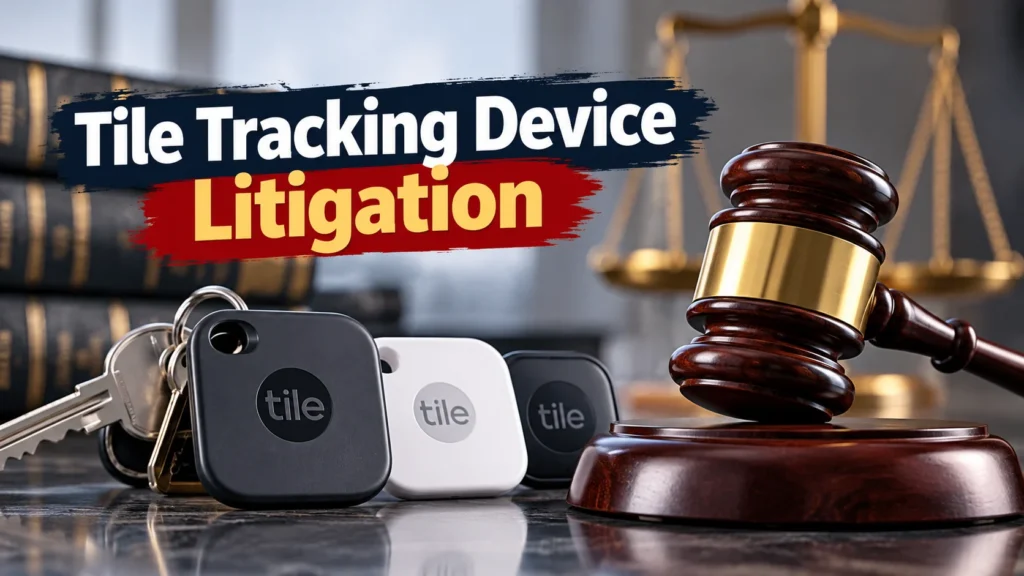
Life360 also got itself entangled in litigation after it purchased Bluetooth tracking device maker Tile. Plaintiffs in Ireland-Gordy v. Tile have claimed that stalkers and abusers could readily misuse Tile devices to take “covert monitoring” of the victim.
What Did the Lawsuit Represent?
The lawsuit, which says the companies did not take adequate measures to prevent misuse, seeks damages for “unfair business practices,” “negligence,” and “invasion of privacy.”
Life360 and the other defendants counterclaimed that they did nothing wrong, that many of these claims lack merit, and that users agreed to arbitration clauses. A part of the lawsuit was thrown out in 2025, and a few other claims went to arbitration, where the legal action is ongoing.
Security Concerns Surrounding Life360
In addition to privacy issues that have led to lawsuits, Life360 has also been criticized after a security breach in 2024. A 2024 security incident also drew criticism of Life360. According to the hacker, they exploited a vulnerability in the company’s login API that revealed the personal details of about 442,000 users, including names, email addresses, and phone numbers.
What was the Outcome?
There was no major groundswell of class-action suits against the breach at the time of the report, but privacy attorneys started looking for potential class-action lawsuits. The incident underscored growing concerns about companies that collect highly sensitive location data.
The incident raised awareness of cybersecurity practices at companies that collect highly sensitive location data. LawSenior also covers other legal and financial topics, including social security tax withholding, for readers seeking information about their rights and obligations.
What Government Investigations Proved?
The probing continued in 2025, as the Texas Attorney General sued Allstate and its data analytics firm Arity. Life360 is not a defendant, but the complaint says that Life360’s mobile app included software development tools that allowed it to capture users’ driving and location information without providing proper notice and consent.
The lawsuit is filed under the Texas Data Privacy and Security Act, which mandates businesses to get proper consent to collect and share sensitive personal information. The case reflects regulators’ approach of actively enforcing modern privacy laws.
What was Life360’s Response?
Life360 has always asserted its privacy policies. Company executives said some data-sharing agreements enabled the app’s free service and supported safety features. However, after public backlash, the company announced major changes to its data-sharing policies.
Life360 claims it ended its wide-ranging sale of accurate location data and now focuses on offering anonymised audiences instead of identifiable GPS data. The company also said it no longer disseminates personally identifiable location information, as criticized in earlier investigations.
Privacy Laws Driving These Cases
Several key privacy laws affect the current litigation. California privacy laws protect privacy and ban unfair business practices and privacy intrusions. The Texas Data Privacy and Security Act sets strict rules for obtaining consent before collecting sensitive information, such as exact geolocation.
The Federal government has also stepped up its regulation of location data usage. In parallel, recent cases in which courts found that location data heightens constitutional privacy interests could affect future cases involving mobile apps and digital tracking tools.
Conclusion
While Life360 has not yet faced major financial penalties, the company still faces legal and regulatory challenges that will likely shape digital privacy in the future.
Legal action over location data sharing, tracking, and cybersecurity highlights the ever-expanding legal demands placed on companies handling sensitive personal data.






One Comment