Claimant Lawsuit: What It Is, How to File It, and What to Expect

The term claimant lawsuit can sound confusing. If you’re a law enthusiast, you might wonder whether it differs from a regular lawsuit.
In simple words, a claimant lawsuit is a civil lawsuit that is filed by a person or entity who feels that another party has caused them some harm or infringed on their legal right. When the lawsuit is filed, the person who files it is the claimant or plaintiff, and the person being sued is the defendant.
The basic terminology can vary depending on where you live. For example, “claimant” is commonly used in the UK, while “plaintiff” is more commonly used in the United States. So don’t get confused by the terminology; the substance is the same. If you’re more interested in Claimant Lawsuit, feel free to read this article.
What Is a Claimant Lawsuit?
A claimant lawsuit is a lawsuit filed by the party seeking legal relief. The lawsuit’s purpose depends on several factors. For example, a claimant may seek financial damages, a court order to do something or stop doing something, or another form of relief.
For instance, if a person is hurt because of another person’s carelessness, they can file a lawsuit for medical expenses, lost income, and other losses. High-profile disputes can also help readers understand how claims develop in practice, as seen in the Shannon Sharpe lawsuit.
A lawsuit typically starts with the claimant filing a formal complaint. The complaint usually states that the claimant has a grievance against the defendant, that the defendant is legally liable, and that the defendant should provide a remedy.
Practical Considerations for Claimant Lawsuits
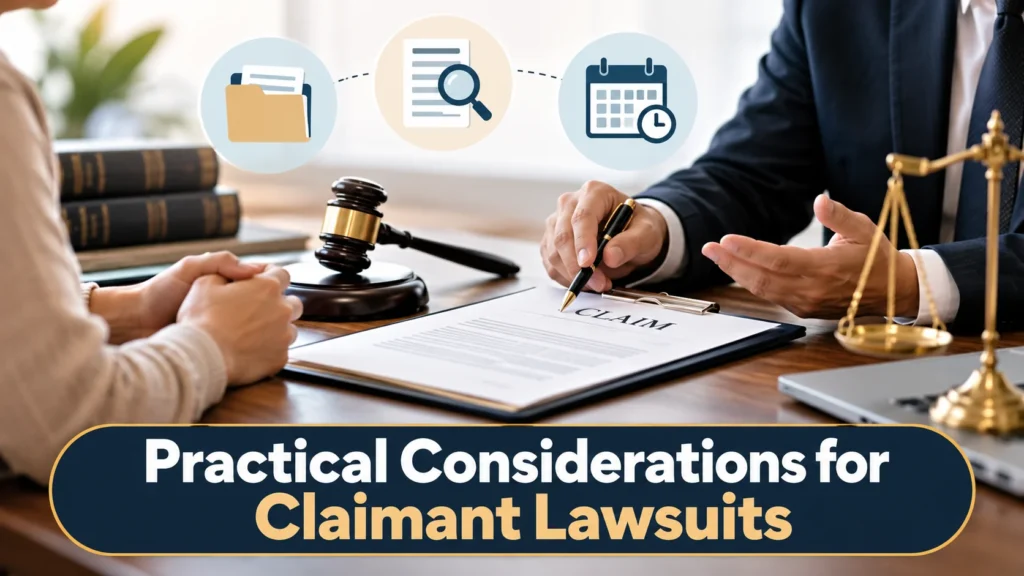
Claimant lawsuits can arise from many different situations. Some of the most common reasons include:
Personal Injury Lawsuits
These may include medical malpractice, workplace injury, car accidents, or slips and falls.
The claimant can recover medical treatment costs, lost wages, property damage, and pain and suffering.
Employment Lawsuits
Staff can claim for unpaid wages, unfair dismissal, employment discrimination, or other employment-related complaints.
Consumer Lawsuits
Consumers may have claims for fraud, product defects, product misrepresentation, or other breaches of consumer protection laws. Consumer and class-action disputes can involve allegations related to products, advertising, or consumer rights, as illustrated by the Chobani lawsuit.
Breach of Contract Lawsuits
A claimant can file a lawsuit if the other party allegedly does not perform its contractual duties.
Class Action Lawsuits
A claimant(s) can file a claim on behalf of another group of individuals who have similar legal claims in a class action.
Some disputes can also require an administrative complaint before a court lawsuit is filed.
How Does a Claimant Start a Lawsuit?
The steps vary by jurisdiction, but usually follow this order: prepare and file a complaint with the correct court.
The complaint typically lists the parties, details the facts of the case, presents the law the plaintiff believes applies, and specifies the relief sought.
Following this, the claimant usually pays the filing fee, if any, and must formally serve the defendant with the claim. This gives the defendant notice of the case and allows them to respond.
At Law Senior, we believe that you get a true sense of lawsuit knowledge based worldwide. So, it is a fact that each type of dispute, geographical location, and other factors dictate the proper court and filing process.
Check the Statute of Limitations
One of the most critical steps is learning the statute of limitations, which a potential claimant must know. But what is it?
In legal terms, the statute of limitations is the deadline for filing a lawsuit. Again, the deadline may differ by jurisdiction and may depend on the nature of the claim. Different kinds of claims can have different time limits, such as personal injury, contract, or employment claims.
Checking the rules that apply to the specific claim is important because if one misses the deadline, they may not be able to proceed with the case – it’s not a general deadline.
What can a Claimant recover?
If the claimant wins, the court can award compensatory damages intended to cover actual losses.
Depending on the circumstances, damages may include:
- Medical expenses
- Lost wages
- Property repair costs
- Other financial losses
- Pain and suffering
In certain situations, some laws also permit punitive or statutory damages. A claimant can also request an injunction, a court order requiring a defendant to do or stop doing something.
Attorney fees and court costs may also be recoverable if a statute or contract allows it.
What Evidence is required by a Claimant?
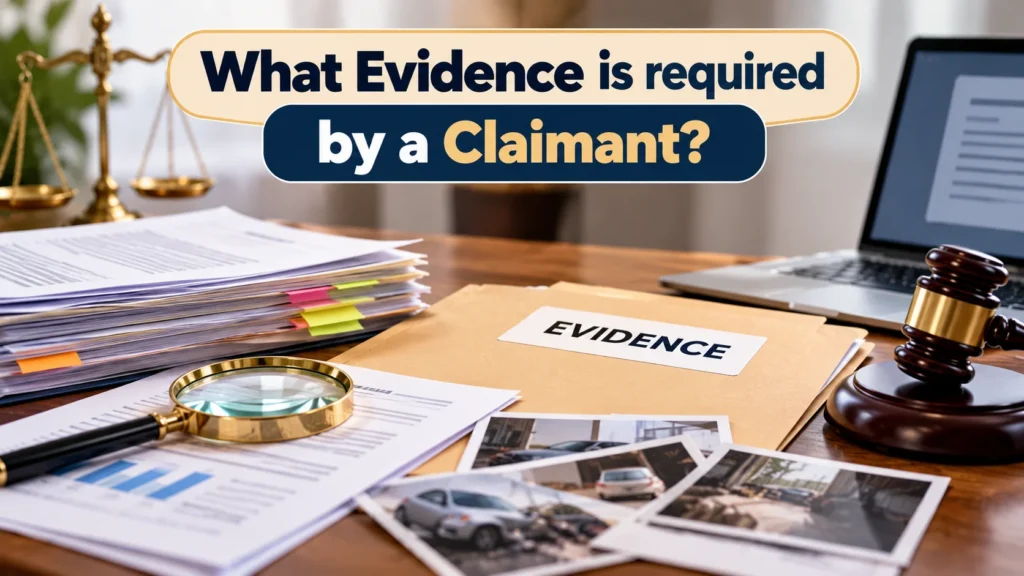
Evidence can make a significant difference in a lawsuit. A claimant should preserve relevant documents and records, including:
- Contracts and agreements
- Medical records
- Invoices and receipts
- Photographs
- Emails and text messages
- Employment and payroll records
- Correspondence
- Work schedules
- Witness information
Tracking financial damages, lost work time, costs, and other effects of the conflict is also helpful. If appropriate, include witness statements to strengthen your case.
Conclusion
A claimant lawsuit is any civil lawsuit filed to get legal relief from another party. In most situations, the claimant must develop the facts and grounds of their claim.
For law practitioners, it is important to remind your client to understand the filing deadline, determine the costs, and consider negotiation or legal advice before proceeding with the case.