Power of Attorney versus Durable Power of Attorney: The Differences and Considerations

In legal battles, when it comes to corporate cases, a Power of Attorney case is something that comes up once in a while. When it does arise, it usually becomes a topic of great interest. Well, today’s topic isn’t only about understanding a Power of Attorney, but we will also learn about what a Durable Power of Attorney is.
If you’re a law student, this will make it especially easy to understand. Basically, think of power of attorney (POA) as an important legal planning tool that allows one person, known as the principal, to permit another person, who in this context is called an agent or attorney, to act on their behalf.
On the other hand, the purpose of a durable power of attorney is also similar, but with a noteworthy difference: The DPOA stays in effect if the principal becomes incapacitated. Knowing the differences matters when planning for the case. So, let’s learn more about the Power of Attorney and Durable Power of Attorney Difference.
What Is the Difference?
A standard power of attorney gives an agent authority to handle specific matters or affairs for the principal. Depending on the provisions, that means the agent can access bank accounts, pay bills, make investments, file taxes, or execute property transactions. A typical “durable” Power of Attorney terminates if the principal becomes mentally incompetent.
An enduring POA, on the other hand, includes terms that the authority lasts after the principal’s incapacity. This is especially helpful for incapacity planning, as the agent can still manage authorized affairs even if the principal can no longer manage on his own.
These powers can also extend to business-related matters when the document provides suitable authority. For example, someone handling company affairs may need to use a south carolina corporation search to check business registration details and public corporate records.
How Frequently Does the Action Take Effect?
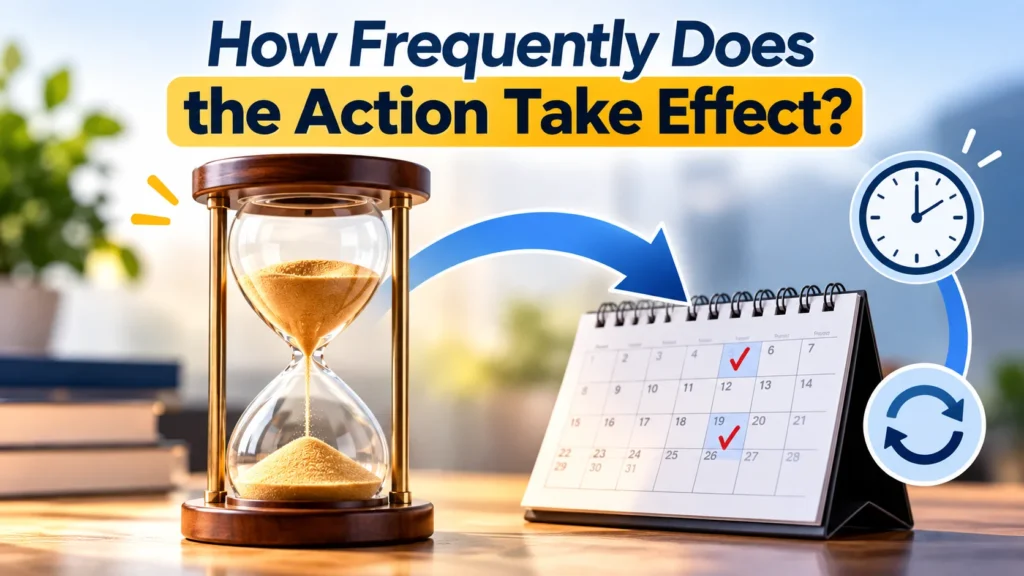
POAs can take effect the same day they’re signed or after an event occurs. Unless the document limits it or specifies otherwise, an immediate POA is valid from the date it is signed. A “springing” POA only takes effect when a certain event takes place, which is usually the principal’s incapacity.
This distinction can matter in practice. Someone who wishes to have an agent to deal with affairs as needed will likely choose an immediate POA, whereas someone who would like to keep full control of their affairs unless they become incapacitated might opt not to sign one at all. The document should clearly state when the authority begins; otherwise, it creates uncertainty.
How Powers of Attorney End
A Principal may give general permission to revoke a POA at any time as long as they are competent. Typically, revocation is in writing, and the principal must notify the agent and the institutions, depending on the original document. A typical condition for terminating a power of attorney is the principal’s death.
Other termination reasons may include an expiration date or a cause/condition stated in the document. There is one big difference, however: a durable POA will remain in effect even if a person becomes incapacitated, while a typical POA will not.
What are the Legal Formalities?
Execution requirements vary by jurisdiction. In the U.S., states may use either notaries, witnesses, or both. Other states also include specific wording in their statutes presuming a POA is durable.
In England and Wales, the term for incapacity planning is ‘lasting powers of attorney’ or LPAs. There are two types of LPAs: property and financial affairs, or health and welfare decisions.
They must follow a specific format and be signed, witnessed, certified, and registered with the Office of the Public Guardian before they become legally binding. There are two legal systems in Scotland and Northern Ireland. Requirements vary, so using the right local forms and formalities matters.
What are the Common Uses
A financial or property POA may give an agent permission to make payments, manage finances, investments, tax documents, and real estate. Healthcare/welfare authorization is usually dealt with in a separate letter of permission.
A PFA LPA allows activities in England and Wales, such as paying bills, managing accounts, or selling property. A health and welfare LPA covers health and welfare matters if the donor lacks capacity to make these decisions.
Property matters may also involve housing programs, eligibility requirements, and purchase decisions. People researching homeownership opportunities may come across programs such as good neighbor next door while reviewing their available housing options.
What are the Stakes?

Granting a POA shows a high level of trust. Typical fiduciary duties require agents to be loyal, prudent, and act within their authority. They should not have conflicts of interest and should not be allowed to use the principal’s property inappropriately.
Consequences (including legal) may result from abuse. Courts can remove an agent, impose penalties, or take other protective action. These risks can be minimised by carefully choosing an agent and defining their powers.
Which One Is Right?
The principal chooses the option that best fits their objectives. A basic POA may suit a short-term or temporary task. A long-term plan is best accomplished by using a durable POA, which will last through disability.
The main difference is that both documents permit someone else to act on the principal’s behalf, but a DPOA includes options that explicitly survive disability. Laws can differ by jurisdiction, so professional legal advice can help ensure the document is properly drafted, executed, and customized to the principal’s situation and future needs.