
Isotonix Lawsuit: The Claims, Allegations and Legal Developments
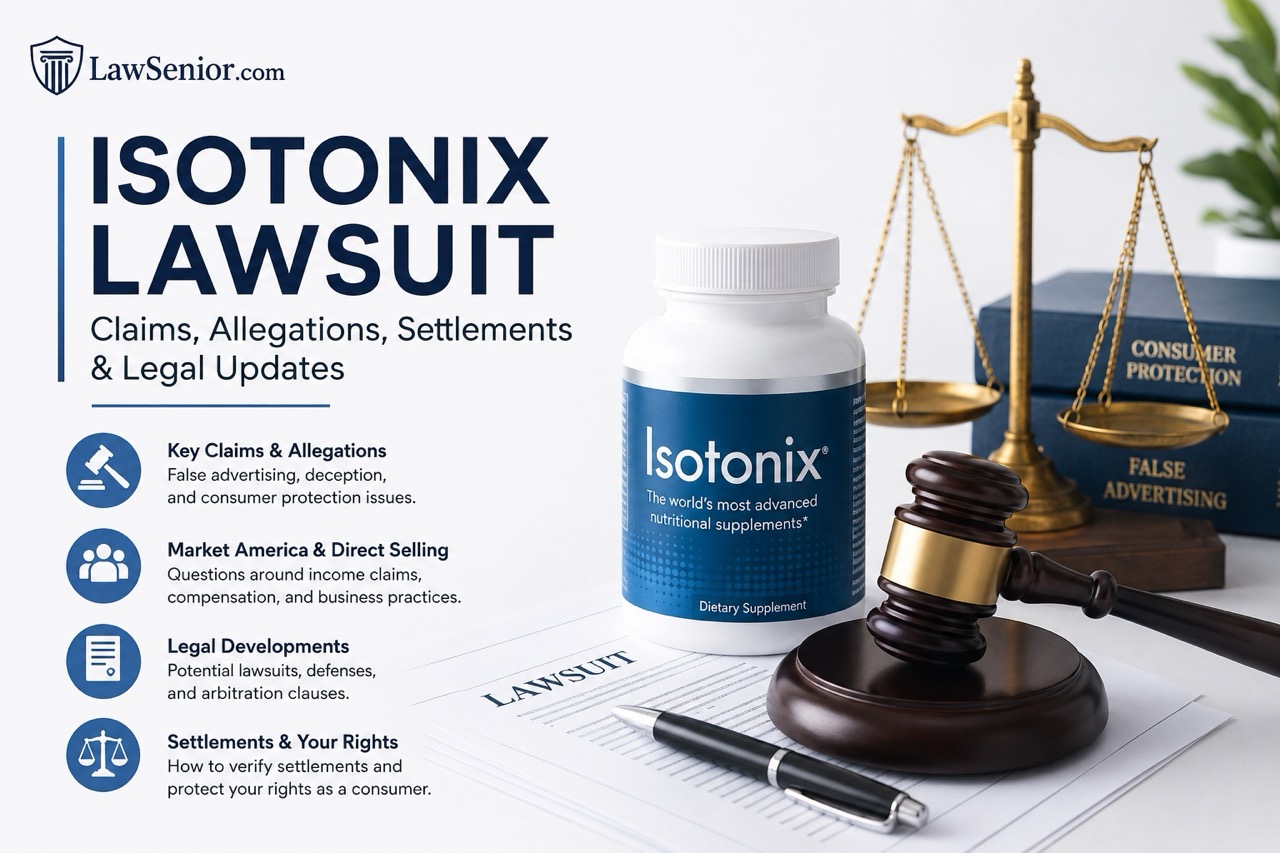
Isotonix is a renowned dietary supplement brand in the US. Many are familiar with its over-the-top claims that it helps with better nutrient absorption. Over the last few years, the brand has been facing lawsuits for many reasons.
Like many of the legal battles that have gone in conjunction with supplements, it is pivotal to differentiate between the allegations and true claims.
This article reviews the key points of the controversy surrounding the Isotonix lawsuit, what has caught the attention of lawyers, regulators, and consumers, and what the lawsuit tells, if anything, about the product.
What Is Isotonix?
Isotonix is a supplement product line that’s connected with Market America, a company with the Shop.com platform and independent distributor network.
Isotonix is a collection of food supplements in powder form. Health claims include nutritional support, vitamins and minerals, antioxidants, digestive health, and more.
How the Brand Operates?
The Isotonix marketing strategy centers on its delivery system. The company has marketed its Isotonix products as being formulated in an isotonic solution, meaning they are meant to be mixed into water (which may help the body absorb them).
Is There One Major “Isotonix Lawsuit”?
First, the term “Isotonix lawsuit” does not necessarily mean one specific nationwide class action; rather, it could refer to various legal issues and/or allegations.
There are online discussions relating to lawsuits against Isotonix products and legal issues related to Isotonix or broader legal issues regarding the diet supplements or direct selling business of the company, Market America.
This is especially relevant because allegations posted online could concern different proceedings.
Possible Consumer Protection Action
State and federal consumer-protection laws can be used by consumers who file a lawsuit against supplement companies.
Similar consumer-focused disputes can arise over advertising, product representations, and whether marketing statements accurately describe what buyers receive. Readers interested in comparable product-related legal issues can also review the Meaningful Beauty lawsuit
Theories that could be considered are:
False Advertising
A plaintiff can contend that advertising was “materially misleading” because it contained statements.
Unfair or Deceptive Trade Practices
Many state consumer-protection laws will ban businesses from engaging in deceptive practices.
Breach of Contract
The consumer might be able to claim that the product or service provided was not what they expected.
Fraud or Misrepresentation
Worse accusations could be that a company knowingly or recklessly made false statements to get consumers to buy products.
Unjust Enrichment
The plaintiff may claim that the defendant kept the funds that it secured through alleged deceptive actions.
The merit of these assertions is very much subject to the facts and law.
Isotonix and Direct Selling
Another major point of contention is Market America’s direct-selling business model and the Isotonix products.
Historically, Market America has done work through independent distributors or entrepreneurs who work with consumers to sell products.
Direct sales companies can be subjected to legal action on several points, such as:
- Income representations
- Distributor recruitment
- Product sales
- Compensation structures
- Refund policies
- Retail sales
- Statements related to business opportunities.
But it’s important to differentiate product allegations from business opportunity allegations.
If there is controversy over earnings from a distributor, there is no basis for concluding that an Isotonix product is faulty or mislabeled.
Similarly, if a complaint is made about a supplement, it would not be sufficient to deem that any independent distributor who sells that supplement is doing so wrongfully.
What would the Company fight to protect?
A company may raise several defenses if they are the subject of consumer litigation. An exception that may come into the picture is that the advertising statement was true and well backed up with adequate evidence.
Another is the consumers’ misinterpretation of the marketing language. The company may also make the following arguments:
- Plaintiff did not base his claim on the alleged misstatement
- Plaintiff does not Show Actual Economic Injury
- The claims are excluded based on relevant contract provisions.
- The statute of limitations has run out
- Plaintiff does not have standing
- The alleged conduct was in no way in violation of the statute in question.
- Plaintiff is too unique to be included in a class action.
Arbitration Clauses Can Affect Lawsuits
There are arbitration provisions in consumer contracts. In situations where there is a possible agreement in place that provides for the dispute to be arbitrated, the defendant will try to force the case into arbitration instead of going to court.
Class-action waivers may be included in arbitration agreements, which can also impact class actions.
If so, it will depend on the facts of the dispute, the relevant state and federal law, the consumer’s acceptance of the terms, and the contract.
Consumers should not presume that if they see the terms “class action” on the internet they will have a claim or be entitled to be compensated.
Is There an Isotonix Settlement?
Consumers are urged to be especially wary of Internet ads stating that an “Isotonix lawsuit settlement” is paying off for all those who bought the product.
In a real settlement, these are types of information that can be identified:
- The court
- Case name
- Case number
- Settlement administrator
- Class definition
- Settlement website
- Deadline for claims
- Eligibility requirements
- Court approval
Lawsuits involving consumer products can develop differently depending on the allegations, evidence, and procedural stage of each case. The Chobani lawsuit provides another example of how legal disputes involving a well-known consumer brand can attract public attention.
If they don’t provide these details, then claims of an available settlement must be taken with a pinch of salt. But simply filing a lawsuit doesn’t necessarily grant consumers any right to compensation.
Conclusion
The Isotonix lawsuit controversy is a prime example of the importance of consumers being able to distinguish between allegations and proven misconduct. Wherever there is a claim of nutritional benefit, absorption, effectiveness, and wellness, there is regulatory and legal weight to consider.
The most crucial step for consumers is to ensure that the particular lawsuit under consideration is the correct one and to make sure that it reaches the actual stage of the process.
Persons contemplating a claim are encouraged to keep proof of purchase and marketing information and seek legal counsel as necessary.



3 Comments