What Is the Supreme Law of the Land? Meaning, Constitution, and Examples
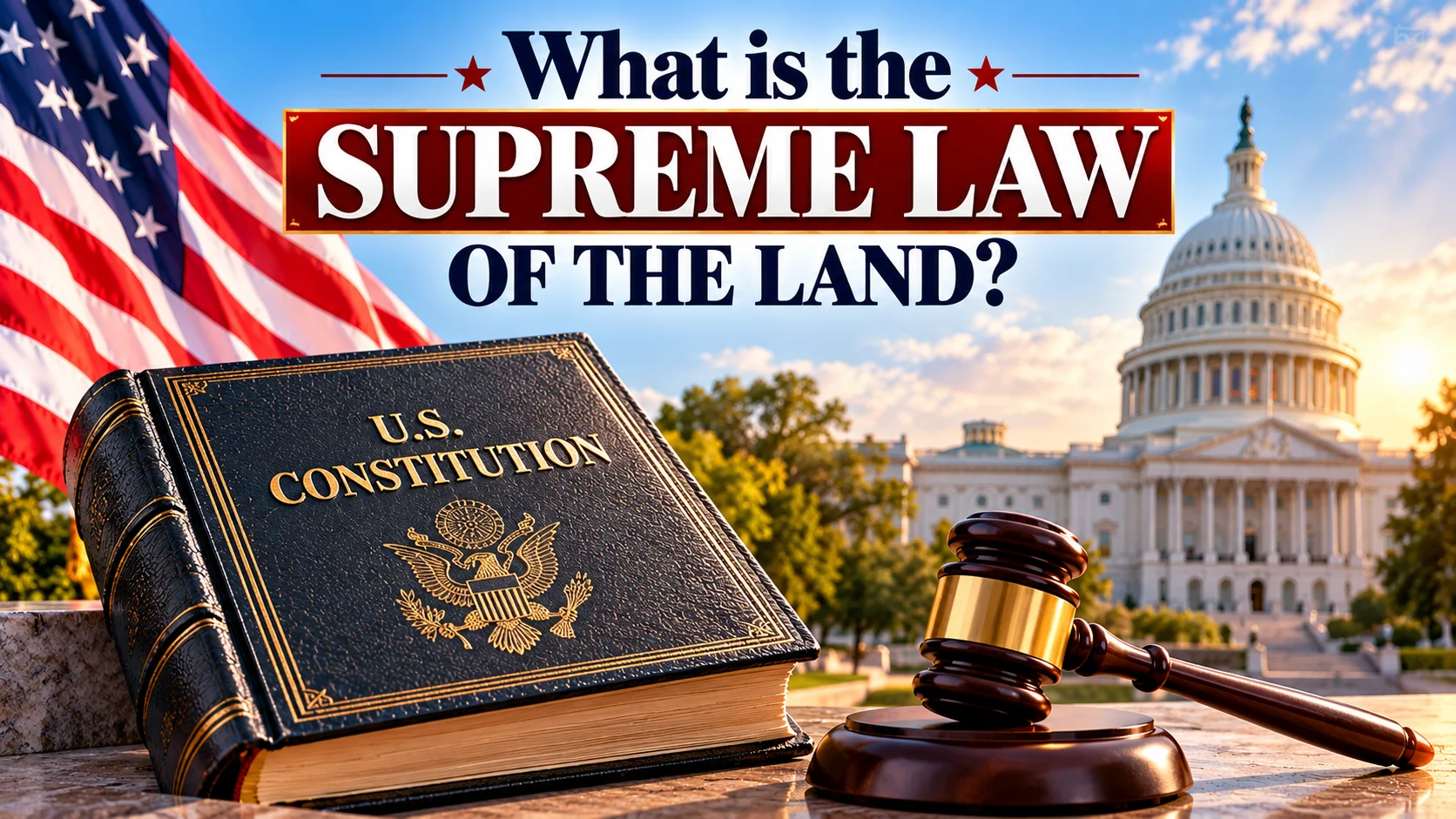
What is the supreme law of the land? The simple answer is the United States Constitution. It is the highest legal authority in America and guides how the government operates. Every state and federal government official must follow the Constitution. It also protects important rights and establishes the basic rules of the country.
The Constitution creates a legal system that helps maintain order and fairness. It explains the powers of Congress, the President, and the federal courts. It also establishes limits that prevent government officials from exercising unlimited power. Understanding this principle helps Americans learn about their rights and responsibilities.
What Is the Supreme Law of the Land in the United States?
The U.S. Constitution is the supreme law of the land because it stands above all other American laws. Article VI, Clause 2 establishes this principle through the Supremacy Clause. The clause also recognizes valid federal laws and treaties as part of the nation’s supreme law. However, federal laws must follow the Constitution to receive this protection.
This rule creates a common legal foundation for all 50 states. States can make their own laws, but they cannot violate the U.S. Constitution. When a valid federal law conflicts with a state law, the federal law generally takes priority. This system helps maintain consistency while allowing states to govern many local matters.
The U.S. legal system protects people from injuries caused by unsafe property conditions. Under premises liability law, property owners may face legal responsibility when their negligence causes injuries to visitors. These cases often involve slip-and-fall accidents, unsafe buildings, or poor property maintenance.
What Does the Supreme Law of the Land Mean?
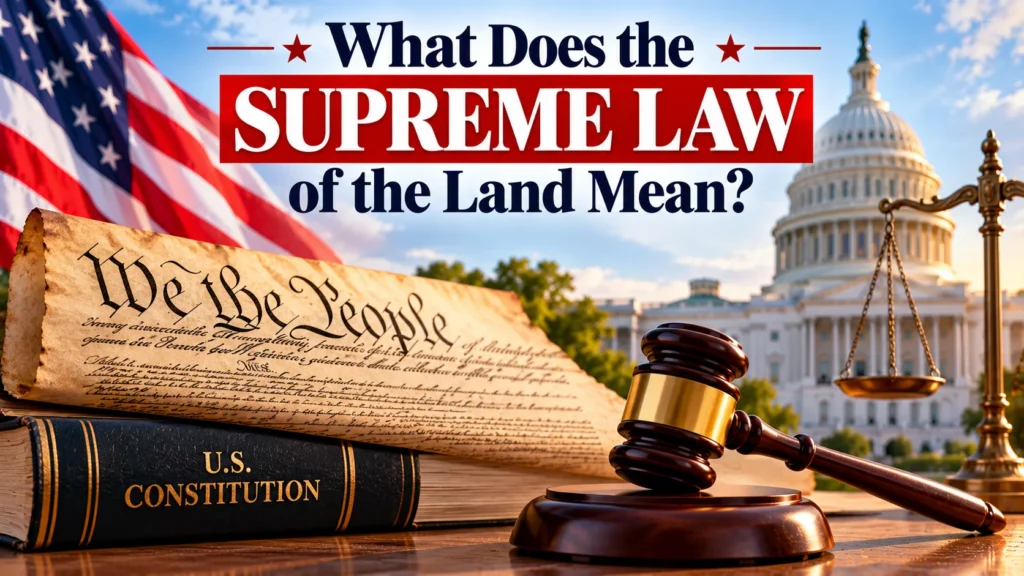
The phrase supreme law of the land means the highest legal authority within a country. In the United States, the Constitution holds that position. Government officials must respect its rules when creating or enforcing laws. Courts also use constitutional principles when deciding legal disputes.
The Constitution establishes limits on government power and protects individual freedoms. It gives Congress certain powers while reserving other powers to the states or the people. It also prevents government officials from ignoring constitutional protections. These rules support the country’s system of constitutional government.
Which Article Establishes the Supreme Law of the Land?
Article VI, Clause 2 of the U.S. Constitution establishes the Supremacy Clause. This provision identifies the Constitution, valid federal laws, and treaties as supreme law. It also requires state judges to follow these rules despite conflicting state laws. The Founders included this provision to strengthen the nation’s legal system.
The clause makes clear that states cannot override valid federal law through conflicting legislation. It also recognizes the Constitution as the highest authority in the American legal system. Federal and state courts must apply these principles when resolving legal disputes. This constitutional rule plays an important role in maintaining national unity.
Why Is the U.S. Constitution the Supreme Law?
The Constitution serves as the highest law because it establishes the government’s legal authority. The Founders created it to replace the weaker Articles of Confederation. Under the earlier system, the national government struggled to enforce important decisions. The Constitution created a stronger federal structure while limiting government powers.
The document also establishes checks and balances among three branches of government. Congress makes federal laws, the President carries them out, and courts interpret them. Each branch has constitutional responsibilities and limits. This arrangement helps prevent any single branch from gaining unlimited authority.
What Are the Three Parts of the Supreme Law of the Land?
Many students ask what is the supreme law of the land? because the Constitution identifies three legal sources. These include the Constitution itself, federal laws made under it, and treaties made under U.S. authority. Together, they form the foundation of federal legal supremacy. However, the Constitution remains the highest authority when conflicts arise.
The Supremacy Clause does not make every federal action automatically valid. Congress must act within the powers that the Constitution grants. Treaties must also comply with constitutional limits. Courts can reject federal laws that violate the Constitution.
| Legal Source | Meaning | Example |
|---|---|---|
| U.S. Constitution | Highest legal authority | First Amendment |
| Federal Laws | Laws Congress passes under constitutional authority | Federal civil rights laws |
| U.S. Treaties | International agreements made under U.S. authority | Ratified international treaties |
| State Laws | Laws that states create within their authority | State traffic laws |
| Local Laws | Rules that local governments establish | City parking regulations |
How Does the Supremacy Clause Work?
The Supremacy Clause helps courts resolve conflicts between federal and state laws. When a valid federal law overrides a conflicting state law, courts apply the federal rule. Lawyers call this legal principle federal preemption. It prevents states from blocking federal requirements that the Constitution authorizes.
For example, Congress may establish national rules in an area under federal authority. A state cannot enforce a conflicting requirement when federal law legally overrides it. However, federal law does not automatically replace every state rule on the same subject. Courts examine the Constitution, federal statutes, and the nature of each conflict.
What Happens When State and Federal Laws Conflict?
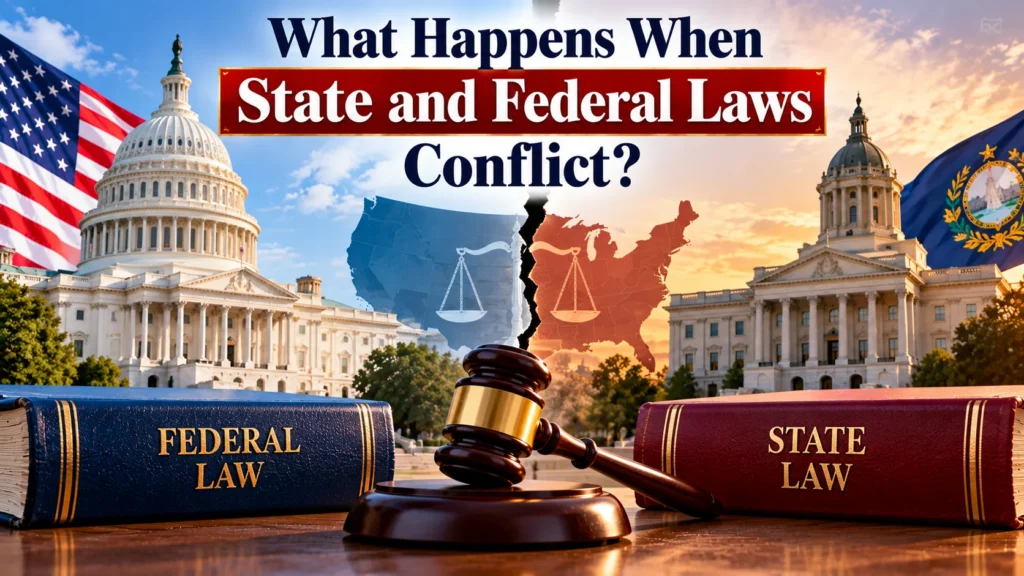
When state and federal laws conflict, courts examine which law has legal authority. A valid federal law generally takes priority when the two rules cannot operate together. Courts may also find that Congress intended federal law to replace certain state regulations. This process helps resolve disputes between different levels of government.
States still control many areas of law, including education, property, and local government. The Constitution allows states to exercise powers that federal law does not override. Therefore, state laws remain important throughout the country. Federal supremacy does not eliminate state governments or their constitutional responsibilities.
Families may seek legal action when negligence or wrongful conduct causes the death of a loved one. A wrongful death attorney can help families understand their legal rights and pursue compensation for eligible losses. These claims may involve medical expenses, funeral costs, lost financial support, and other damages allowed by state law.
What Role Does the Supreme Court Play?
The U.S. Supreme Court plays an important role in interpreting the Constitution. It reviews legal disputes involving constitutional rights and government powers. Through judicial review, courts can reject laws that violate constitutional requirements. This authority helps enforce constitutional limits on government action.
In Marbury v. Madison (1803), the Supreme Court established a major foundation for judicial review. Chief Justice John Marshall explained why courts must follow the Constitution over conflicting laws. The decision became a landmark in American constitutional history. Today, courts continue to apply judicial review when deciding constitutional cases.
How Does the Constitution Protect Citizens’ Rights?
The Constitution protects important freedoms through its original provisions and later amendments. The Bill of Rights includes protections for speech, religion, and peaceful assembly. It also protects people against unreasonable searches and certain unfair criminal procedures. These guarantees place important limits on government authority.
Later amendments expanded constitutional protections and changed American law. The Thirteenth Amendment abolished slavery, except as punishment for a crime after conviction. The Fourteenth Amendment established important guarantees involving citizenship and equal protection. The Fifteenth and Nineteenth Amendments strengthened voting protections against specified forms of discrimination.
Why Is the Supreme Law Important in Everyday Life?
The supreme law affects everyday life by shaping the rights and responsibilities of Americans. It influences criminal justice, elections, government authority, and freedom of expression. Courts rely on constitutional rules when deciding many legal disputes. Citizens also use constitutional protections when challenging certain government actions.
For example, public officials must respect constitutional limits when restricting protected speech. Police officers must follow constitutional rules when conducting searches and arrests. Government agencies must operate within the authority that the law gives them. These requirements help protect people from unlawful government conduct.
Can the Supreme Law of the Land Be Changed?
People who ask what is the supreme law of the land? may also wonder whether it can change. The Constitution allows amendments through the process described in Article V. Congress can propose an amendment with a two-thirds vote in both chambers. The Constitution also allows states to request a convention for proposing amendments.
An amendment generally needs approval from three-fourths of the states before it becomes part of the Constitution. This process makes constitutional changes more difficult than passing ordinary laws. The United States has adopted 27 constitutional amendments since the founding period. These changes have expanded rights, adjusted government procedures, and addressed national issues.
What Is the Supreme Law of the Land for the Citizenship Test?
The question what is the supreme law of the land? also appears in U.S. citizenship education. The correct answer is the Constitution. The question helps applicants understand the basic structure of American government. It also introduces the idea that government officials must follow constitutional rules.
Citizenship students should learn about the Constitution, the three branches of government, and individual rights. They should also understand why the Supremacy Clause matters. These topics help explain how American democracy and its legal system operate. Applicants should check the official USCIS study materials for the test version that applies to them.
Conclusion
Understanding what is the supreme law of the land? helps explain the foundation of American government. The U.S. Constitution holds the highest legal authority in the country. Article VI establishes that the Constitution, valid federal laws, and treaties form the supreme law. This principle helps courts resolve conflicts and protects the nation’s constitutional structure.
The Constitution also defines government powers and protects important individual rights. It requires federal and state officials to respect constitutional limits. Although lawmakers can create new laws, those laws must comply with the Constitution. Knowing these basic rules helps citizens better understand American law, government, and democracy.