
Slip and Fall Lawsuit: How Much Compensation Can You Get?
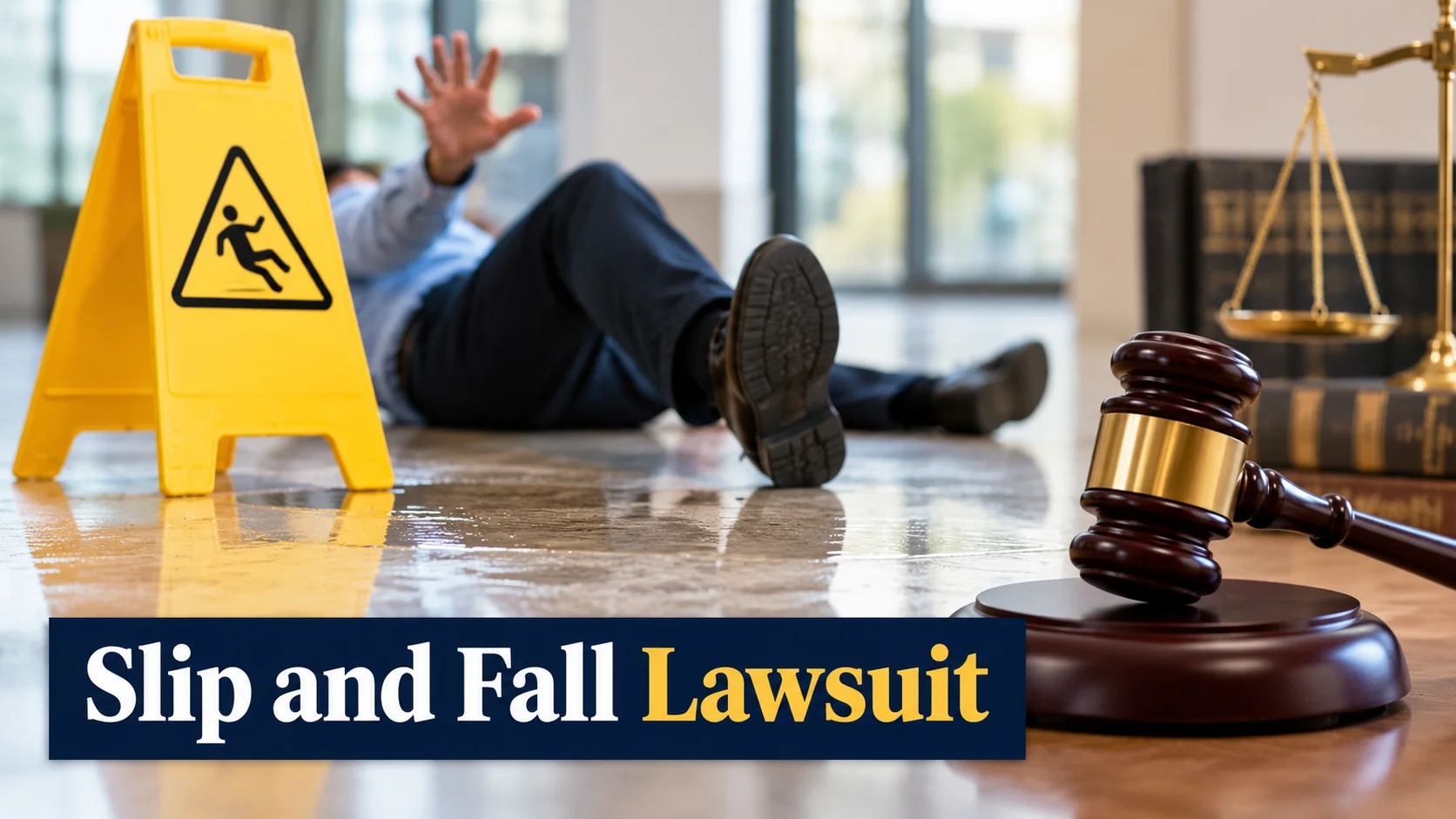
A slip and fall lawsuit allows injured people to seek compensation after an accident caused by unsafe property conditions. These accidents often happen in grocery stores, restaurants, hotels, workplaces, and public areas. Wet floors, broken stairs, and uneven sidewalks can cause serious injuries. Victims may receive financial compensation if they prove that another party’s negligence caused the accident.
Understanding your legal rights can help you make better decisions after an injury. This guide explains settlement amounts, liability, filing deadlines, and the legal process in the United States.
What Is a Slip and Fall Lawsuit?
A slip and fall lawsuit is a personal injury case involving an accident on someone else’s property. It usually falls under premises liability law, which covers injuries caused by unsafe property conditions. Property owners and businesses must take reasonable steps to protect visitors from certain dangers. However, an accident does not automatically make the property owner responsible.
An injured person generally needs to prove negligence before receiving compensation. This means showing that someone failed to take reasonable care to prevent an accident. The exact legal requirements depend on the state where the injury happened.
Understanding your legal rights is important when dealing with a personal injury claim. Different legal disputes, including the Turbo Tax Lawsuit, involve different laws and types of claims. Learning how legal claims work can help readers understand the importance of evidence, deadlines, and professional legal advice.
Common Causes of Slip and Fall Accidents

Slip and fall accidents happen for many reasons. Some involve poor maintenance, while others result from temporary hazards. Businesses and property managers should inspect their premises and address dangerous conditions within a reasonable time. Ignoring these problems may increase the risk of injuries.
| Common Cause | How It Can Cause an Accident |
|---|---|
| Wet floors | Water or spilled drinks create slippery surfaces. |
| Uneven sidewalks | Cracks and raised pavement cause people to trip. |
| Poor lighting | Dark areas make hazards difficult to notice. |
| Broken stairs | Damaged steps increase the risk of falling. |
| Loose carpets | Raised edges can catch someone’s foot. |
| Snow and ice | Slippery walkways increase the risk of injury. |
Not every dangerous condition leads to legal responsibility. Courts often examine whether the owner knew about the hazard or should have discovered it. They also consider whether the owner had enough time to correct the problem.
Who Is Responsible for a Slip and Fall Accident?
Responsibility usually depends on who controlled the property and who had a duty to maintain it. A business owner may face liability when an employee ignores a dangerous spill. A landlord may also face responsibility for unsafe common areas under applicable law. In some cases, a maintenance company or another party may share responsibility.
For example, imagine a customer slipping on water inside a supermarket. If employees knew about the spill but ignored it, the store might be responsible. However, the result could differ if the spill happened moments before the accident. The injured person must provide evidence that supports the negligence claim.
How to Prove Negligence in a Slip and Fall Case
Winning a slip and fall lawsuit usually requires proof of four important legal elements. These elements help establish whether the responsible party failed to provide reasonable safety. Courts examine the available evidence before deciding whether negligence caused the injury.
| Legal Element | What It Means |
|---|---|
| Duty of care | The defendant owed the injured person a legal duty. |
| Breach of duty | The defendant failed to meet that duty. |
| Causation | The unsafe condition caused the injury. |
| Damages | The injured person suffered actual losses. |
Evidence may include security footage, accident photographs, witness statements, and maintenance records. Medical reports also help connect the accident to the injuries. Strong evidence can improve the chances of reaching a fair settlement.
How Much Is a Slip and Fall Lawsuit Worth?
The value of a slip and fall lawsuit depends on several factors. These include injury severity, medical expenses, lost wages, and available evidence. Serious injuries may require surgery, physical therapy, or long-term medical care. Such expenses can increase the amount of compensation a victim may seek.
There is no guaranteed average settlement amount that applies to every case. Two people with similar injuries may receive different settlements because their circumstances differ. Insurance coverage, shared fault, and future treatment needs can also affect the final amount.
Factors That Affect Settlement Amounts
| Factor | Possible Effect on Compensation |
|---|---|
| Injury severity | Serious injuries may support higher damages. |
| Medical expenses | Treatment costs can increase the claim’s value. |
| Lost income | Missed work may add financial losses. |
| Long-term disability | Permanent limitations may increase damages. |
| Available evidence | Strong proof can support the claim. |
| Shared responsibility | The injured person’s fault may reduce recovery. |
Compensation should reflect proven losses rather than an expected payout. Insurance companies may question treatment costs or the cause of an injury. A personal injury lawyer can review the evidence and help assess a claim’s potential value.
What Compensation Can Victims Receive?
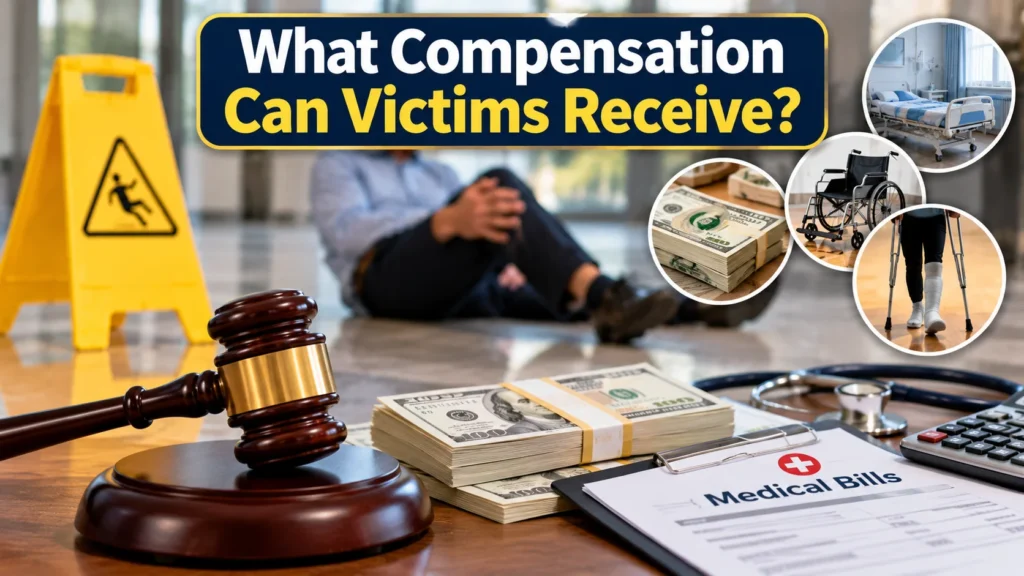
Injured people may seek different types of damages through a personal injury claim. Economic damages cover measurable financial losses caused by the accident. Non-economic damages address harm that does not have a simple price tag. State laws determine which damages are available and whether limits apply.
Medical expenses may include emergency treatment, hospital stays, medication, and rehabilitation. Lost wages can cover income missed during recovery. Victims may also seek compensation for pain, suffering, and reduced quality of life. Some serious cases involve future medical costs or reduced earning capacity.
What to Do After a Slip and Fall Accident
Taking the right steps after an accident can protect your health and legal rights. Medical attention should come first, especially when you experience pain or difficulty moving. Some injuries may not become obvious immediately after a fall. Early medical records can also help document the accident’s effects.
Report the incident to the property owner or business manager as soon as possible. Ask for an accident report and keep a copy when available. Photograph the hazard, surrounding area, and any visible injuries if you can do so safely. Collect witness contact details and preserve receipts for accident-related expenses.
Avoid guessing about who caused the accident when reporting what happened. Give an accurate description of the events and keep your records organized. You can also ask the business to preserve any available security footage.
How to File a Slip and Fall Lawsuit
Filing a slip and fall lawsuit involves several stages. Many cases begin with an insurance claim before anyone files a court complaint. The process depends on the facts, the defendant, and the laws of the state.
The injured person, also known as the claimant, must provide evidence to support the injury claim. Medical records, accident photographs, and witness statements can help prove negligence. Strong documentation may improve the chances of receiving fair compensation.
Step 1: Collect Evidence
Gather medical records, photographs, witness details, and accident reports. These documents help explain how the accident happened. They also provide evidence of the injuries and related expenses.
Step 2: Identify the Responsible Party
Determine who owned, operated, or controlled the property. More than one party may have responsibility for maintaining the accident location. A lawyer can help identify the correct defendant.
Step 3: Submit an Insurance Claim
Notify the appropriate insurance company and provide accurate information about the incident. The insurer may investigate the accident and review the medical records. It may then accept, reject, or negotiate the claim.
Step 4: Negotiate or File in Court
The parties may reach a settlement without going to trial. If negotiations fail, the injured person may file a formal complaint before the legal deadline. Both sides may then exchange evidence and prepare their arguments.
How Long Does a Slip and Fall Lawsuit Take?
A slip and fall lawsuit may take several months or longer to resolve. Straightforward claims sometimes settle after the parties review the evidence and medical expenses. Disputed cases may take much longer, especially when injuries require ongoing treatment.
Court schedules, insurance negotiations, and expert opinions can affect the timeline. Cases involving several defendants may also require additional investigation. A settlement can shorten the process, but reaching an agreement is never guaranteed.
What Is the Statute of Limitations for Slip and Fall Claims?
The statute of limitations sets the deadline for filing a personal injury lawsuit. Each U.S. state has its own rules, and deadlines can vary significantly. Missing the applicable deadline may prevent an injured person from receiving compensation through the courts.
| State | General Personal Injury Filing Deadline |
|---|---|
| California | 2 years |
| Florida | 2 years |
| New York | 3 years |
| Texas | 2 years |
| Georgia | 2 years |
| Illinois | 2 years |
These periods are general examples, not deadlines for every situation. Claims against government agencies may require much earlier notice. Special rules may also apply to minors or injuries discovered later. Checking the law of the relevant state is essential.
Can You File a Claim If You Were Partly at Fault?
An injured person may still qualify for compensation when they share responsibility for an accident. Many states use comparative negligence rules to divide fault between the parties. Under these rules, a person’s compensation may decrease according to their percentage of responsibility.
For example, imagine a court awards $50,000 but finds the injured person 20% responsible. Under a pure comparative negligence system, the recovery would decrease to $40,000. However, some states restrict recovery when the injured person’s fault reaches a certain level. A few jurisdictions follow stricter contributory negligence rules.
Do You Need a Lawyer for a Slip and Fall Case?
Hiring a lawyer is not legally required for every personal injury claim. However, legal help may be useful when injuries are serious or responsibility is disputed. An attorney can review evidence, calculate damages, and communicate with insurance companies.
Many personal injury attorneys offer contingency fee arrangements. Under these agreements, attorney fees generally depend on obtaining compensation. Clients should review the agreement carefully because case expenses and fee percentages can vary.
Common Mistakes That Can Hurt Your Claim
Some mistakes can weaken an otherwise valid injury claim. Delaying medical treatment may make it harder to connect injuries to the accident. Failing to photograph the dangerous condition can also create problems if the property owner repairs it.
Accepting an early settlement without understanding future medical costs may lead to financial difficulties. Injured people should also avoid giving inaccurate statements or ignoring filing deadlines. Keeping complete records and understanding the legal process can help protect their interests.
Frequently Asked Questions
Can I sue a store if I slip and fall?
Yes, you may sue a store if its negligence caused your injury. You generally need evidence of an unsafe condition and the store’s legal responsibility.
What is the average payout for a slip and fall accident?
There is no reliable payout amount for every accident. Settlements depend on medical costs, injury severity, lost income, and the strength of the evidence.
Can I file a claim without visible injuries?
You may have a claim if the accident caused a medically supported injury. However, you generally need to prove actual damages to receive compensation.
Will my slip and fall case go to court?
Not necessarily. Many personal injury claims settle through negotiations, while others require a lawsuit or trial to resolve disputes.
Conclusion
A slip and fall lawsuit can help injured people recover compensation when unsafe property conditions cause preventable accidents. Understanding negligence, liability, medical expenses, and filing deadlines is essential before starting a claim. Strong evidence and accurate medical records can help establish responsibility and document financial losses.
Every accident involves different facts, and settlement amounts are never guaranteed. Taking timely action and understanding local laws can help injured people make informed decisions about their legal options.