
What is a South Carolina Corporation Search Lawsuit?
A whopping $850k settlement (hardly 10% of worldwide businesses have that in their total value); now imagine that figure is what a business is set to pay over an alleged trademark infringement. This is a story of a South Carolina corporation lawsuit. The story shocked corporations and people who closely follow lawsuits.
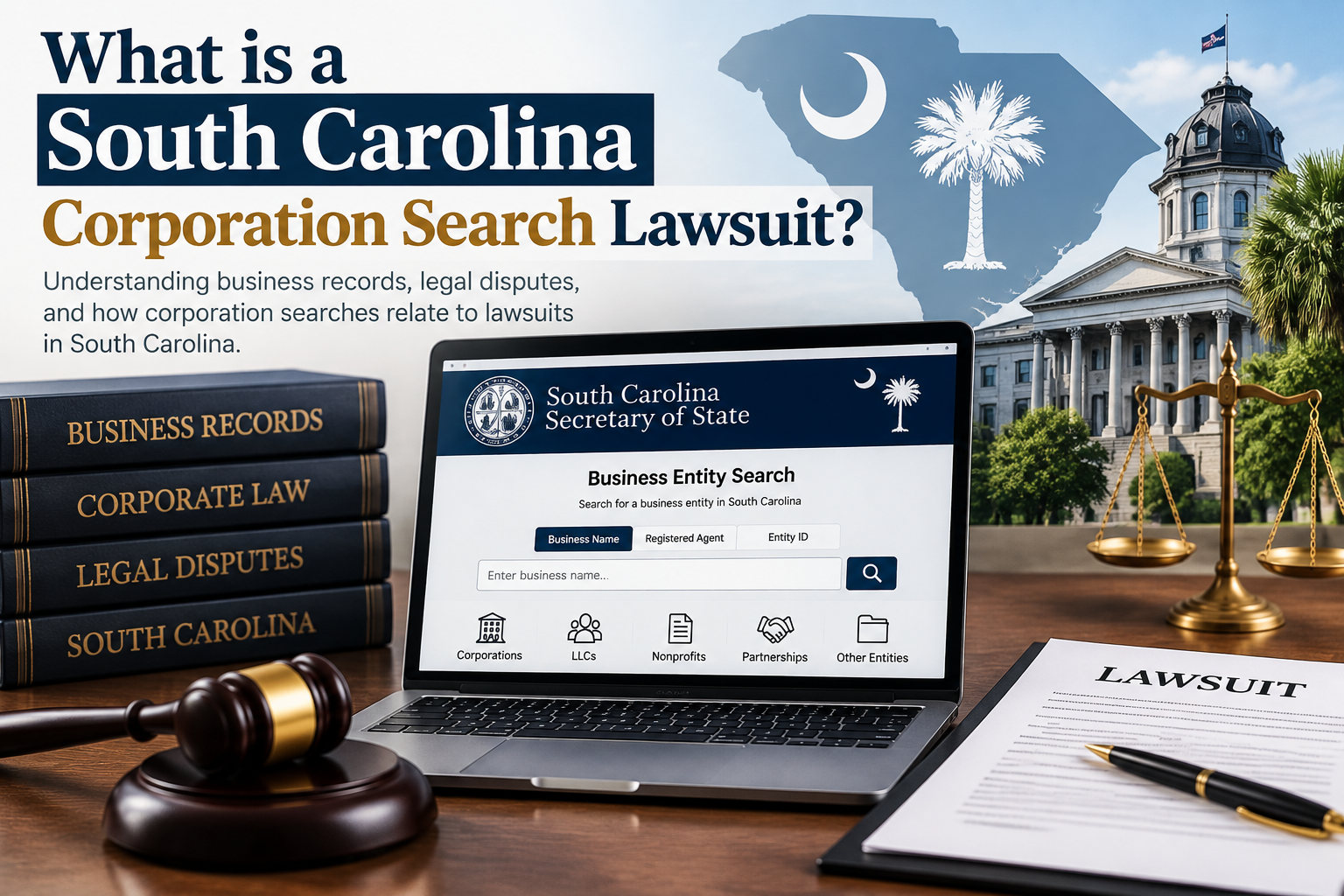
A “South Carolina corporation search lawsuit” does not necessarily refer to one specific lawsuit. Rather, the term can refer to using corporate search records in business litigation.
These records can help identify the correct defendant, determine how to serve legal documents, understand corporate relationships, and investigate issues such as successor liability or an alter-ego claim.
If you enjoy legal developments around the world, we bring you the most relevant cases with our in-depth analysis. So, let’s learn about this curious case.
What Is a South Carolina Corporation Search?
The South Carolina Secretary of State operates an online business entity database. Users can generally search by business name, registered agent name, or entity ID.
Search results can include the entity type, formation date, business status, registered agent, and principal office.
What does it cover?
The search can cover corporations, LLCs, nonprofit organizations, partnerships, and other registered entities. Sole proprietorships and general partnerships are not registered with the Secretary of State like corporations and so are not likely to show up in this database.
Once users locate the correct business, they can review its filing history. This may reveal amendments, mergers, dissolutions, reinstatements, and other important corporate changes.
What Happened in the Lawsuit?
A South Carolina store is set to pay Buc-ee’s (an American chain of convenience stores) more than $850,000. The judgment, signed by U.S. District Judge David Norton on August 19, 2026, is legally binding, with both parties waiving their right to appeal, and compliance actions such as removing the infringing logos are already underway.
More clearly, the court settlement said the store infringed on the company’s trademarked beaver logo. In May 2025, the popular convenience store sued the North Charleston company Born United for selling merchandise that the company believed infringed on its trademarked beaver.
The same year in September, Born United agreed to pay the Texas-based company about $850,000. According to court documents from the United States District Court in Charleston.
The South Carolina ruling is just one of many trademark infringement lawsuits Buc-ee’s is currently involved in.
Why Does a Corporation Search Matter in a Lawsuit?
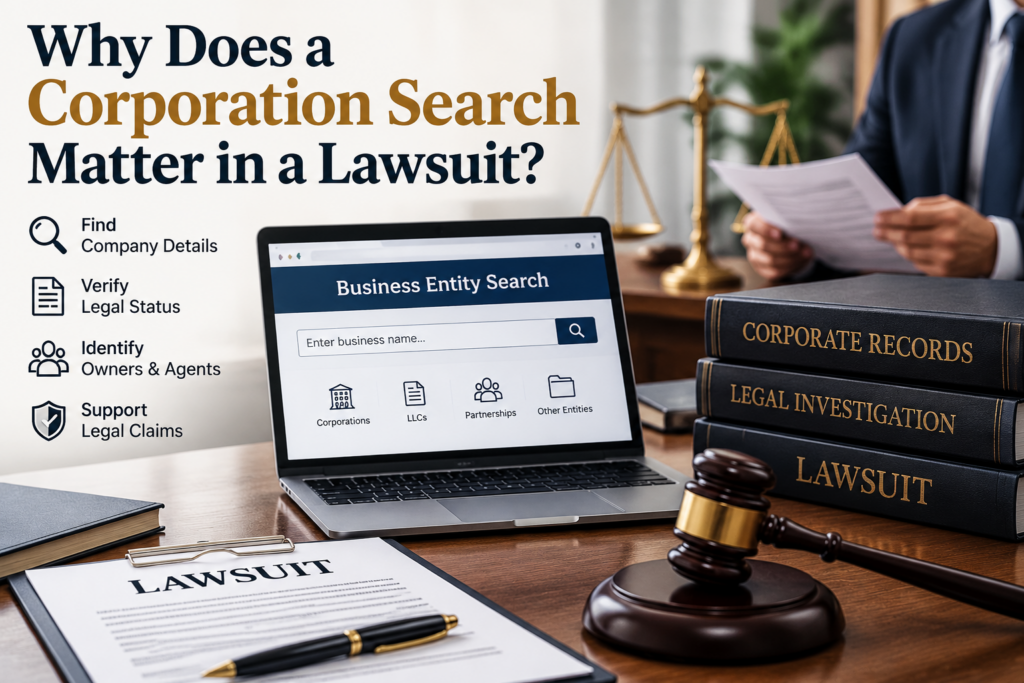
Identifying the correct legal entity is one of the first steps in business litigation. A company can trade under a name different from its legal name.
A corporation search can help a plaintiff confirm the name that should appear in a complaint. It can also provide registered-agent information needed for service of process. South Carolina corporations must maintain a registered office and registered agent.
The information can also help to decide venue. South Carolina law contains rules concerning where actions involving domestic and foreign corporations may be brought.Corporate information often becomes important when businesses face different types of legal challenges. Cases such as the Meaningful Beauty lawsuit show how company details, business relationships, and legal records can play a role in understanding complex disputes.
How Does Search Information Affect Service of Process?
Service of process means formally delivering a summons and complaint to the defendant. Under South Carolina Rule of Civil Procedure 4, a corporation may generally be served through an officer, managing or general agent, or another agent authorized to receive service.
Certified or registered mail may also be used under the applicable rule.
What Scenario Pivots South Carolina Law?
If no current registered agent and registered-office information is on file, South Carolina law may provide circumstances in which the Secretary of State accepts service.
Getting service wrong can create serious procedural problems. Therefore, you should check a corporate search carefully before serving documents.
Corporate Search and the Statute of Limitations
A corporation search should happen early because legal deadlines may apply. The research materials identify S.C. Code §15-3-530 as providing a three-year limitations period for several types of claims, including certain contract and tort actions.
The materials also specify a three-year time frame, based on the statute’s requirements, which must include a time related to fraud/mistake. Defamation claims are generally subject to two years under §15-3-550.
The exact deadline depends on the claim and facts. A statutory limitation does not stop or extend a corporation search.
Can a Corporation Search Help With Veil Piercing?
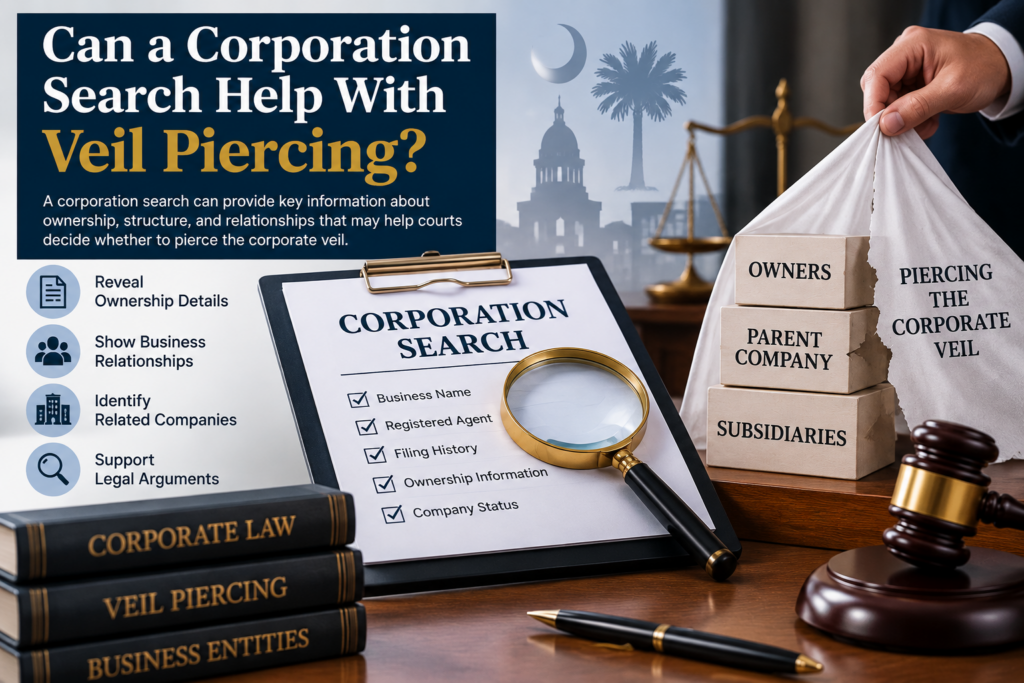
Sometimes corporate records become relevant to an alter-ego or veil-piercing claim.A corporation is generally treated as a separate legal entity from its owners. But a party may contend that the corporate structure does not shield individuals from liability under certain conditions.
The search results may include a list of companies that share addresses, officers, or names, or that have undergone a corporate reorganization, which may require additional investigation. But these facts do not necessarily indicate personal liability.
What Works as Evidence?
Other evidence you can use includes bank records, internal communications, corporate minutes, financial documents, and other records.
South Carolina corporate law requires corporations to keep certain records, such as corporate documents and information about directors and officers.
What Other Lawsuits Can Involve Corporate Search Records?
The information gathered for a company may be pertinent in numerous types of litigation. Unpaid invoices, loans, service contracts, or indemnity clauses are among the many possible types of contracts that can lead to disputes.
Fraud cases can include misstatements or omissions of material facts as alleged by the company or its representatives.
What Employment Lawsuits Include?
Employment lawsuits may include wage disputes, discrimination, or wrongful termination claims. Businesses can also face different disputes, including intellectual property issues, shareholder conflicts, consumer claims, and lawsuits involving major brands such as the Chobani lawsuit.
Typically, the lawsuit is not against the company’s search. Instead, it provides information that may help you investigate and resolve the underlying dispute.
What Records Should Be Collected?
The Secretary of State entity profile is a simple investigation to start. The legal entity’s name, status, registered agent, principal office, filing history, and key corporate documents are all important.
Another benefit of UCC filings is that they also serve as public notice of secured transactions. Memoranda of association, emails, financial records, board minutes, bylaws, shareholder records, witness statements, tax records, and contracts can also serve as evidence.
Readers researching a company’s official status, filing history, or registered information can also check the South Carolina Secretary of State Business Entities Online database for additional details.
Conclusion
A South Carolina corporation search can be a valuable starting point for business litigation. It helps lawyers and litigants identify the correct entity, locate a registered agent, examine corporate history, investigate related businesses, and prepare for service, venue, and evidence issues.
However, a search result does not prove liability on its own. The facts of the particular case, procedural rules, and the law will still govern the underlying suit.





One Comment