Implied Consent Law: DUI Testing Rules and Driver Rights
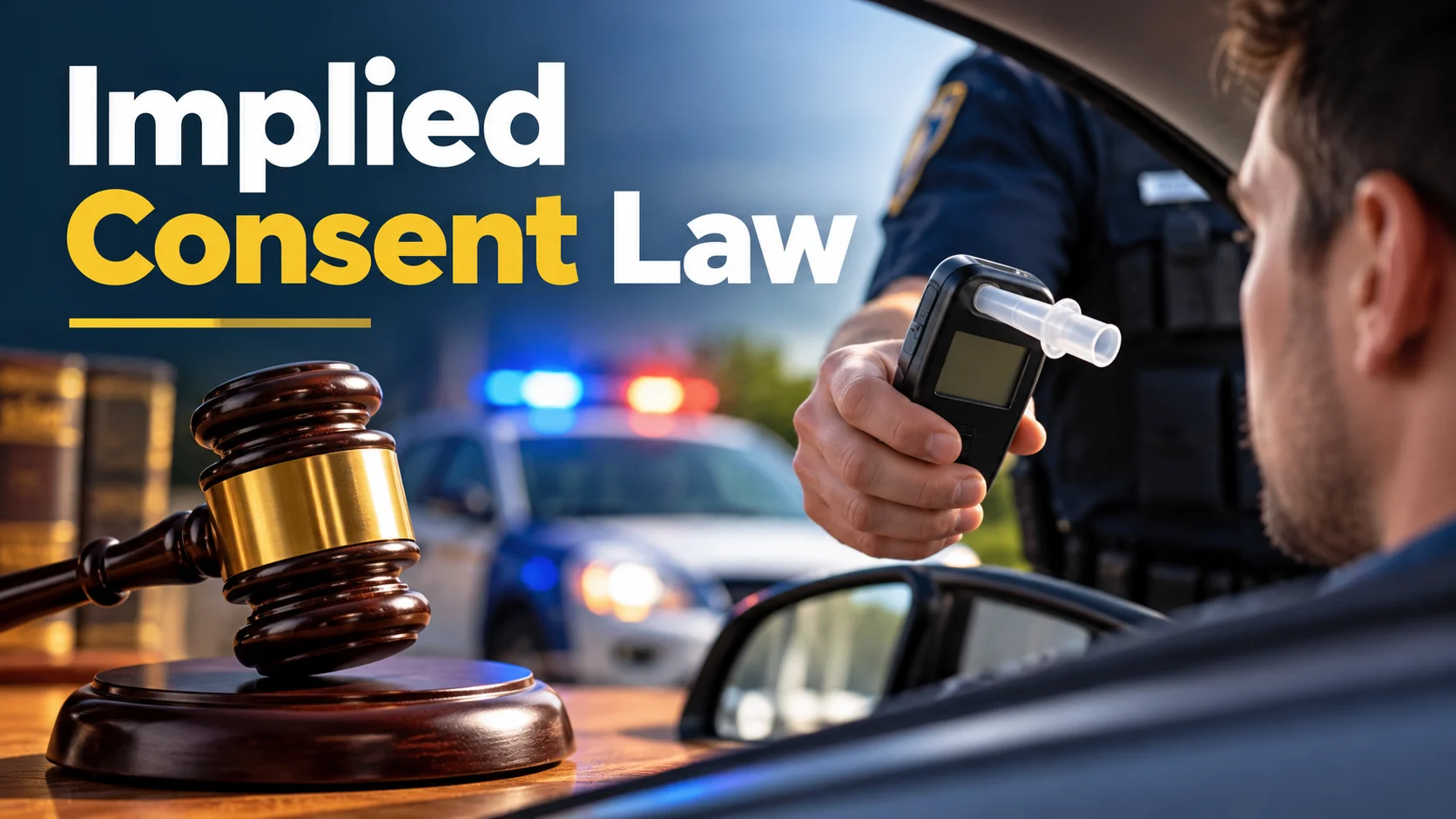
The implied consent law plays an important role in traffic safety across the United States. It allows states to require certain alcohol or drug tests from drivers suspected of impaired driving. These rules help police investigate driving under the influence (DUI) cases. However, drivers also have legal rights that protect them during traffic stops and arrests.
What Is Implied Consent Law?
The implied consent law means that drivers accept certain chemical testing requirements by using public roads. These requirements usually apply when police have legal grounds to investigate or arrest someone for impaired driving. Officers may request a breath, blood, or urine test under applicable state rules. The law does not mean that police can perform every test without limits.
Legal rights play an important role in different types of disputes. Understanding legal procedures can help people protect their interests. The Nightfall Group Lawsuit is another legal topic readers can explore to learn about disputes and legal proceedings
How Does Implied Consent Law Work?
The implied consent law connects driving privileges with chemical testing requirements. When an officer suspects impaired driving, the officer may investigate the driver’s behavior and condition. The officer might observe unsafe driving, smell alcohol, or notice signs of impairment. The officer must follow the legal requirements that apply in that state.
Police may ask drivers to complete roadside checks before making an arrest. These checks can include field sobriety tests and preliminary breath screening. After an arrest, officers may request an official chemical test under state law. The testing process depends on the circumstances and the state’s legal procedures.
Types of Chemical Tests Used in DUI Cases
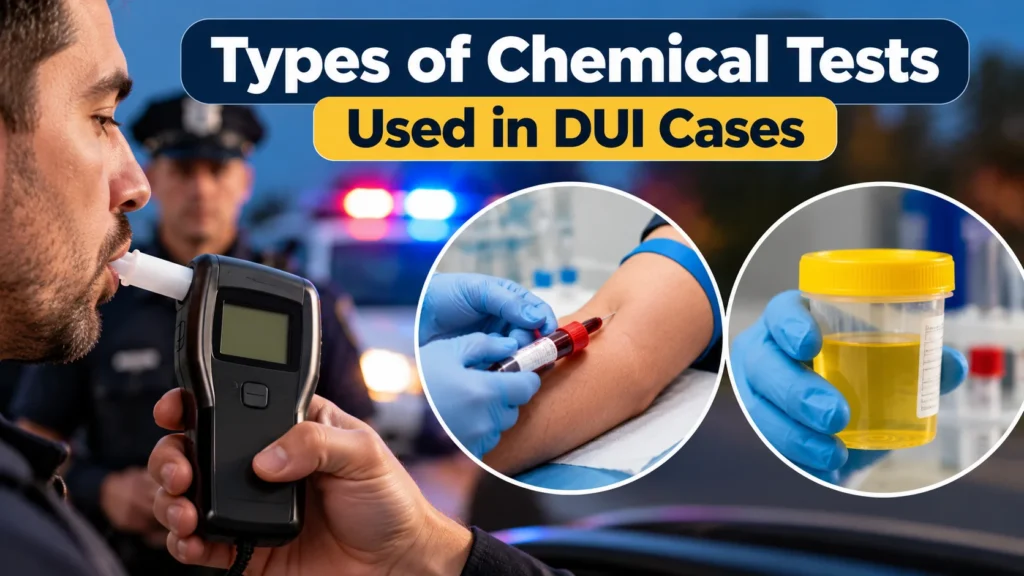
Police use several testing methods to investigate suspected drunk driving and drug impairment. Each method collects different information about alcohol or drugs in the body. State laws determine which tests officers can request and when they can request them. The following table explains the most common methods.
| Test Type | Main Purpose | How It Works |
|---|---|---|
| Breath test | Measures alcohol levels | An approved device analyzes a breath sample. |
| Blood test | Measures alcohol or drugs | A qualified person collects a blood sample. |
| Urine test | Detects certain substances | A laboratory examines a urine sample. |
| Preliminary breath test | Helps roadside investigations | A handheld device estimates breath alcohol levels. |
Breath Alcohol Testing
Breath testing is a common method for checking alcohol impairment. Officers use approved equipment to estimate a driver’s blood alcohol concentration (BAC). Most states set the standard adult driving limit at 0.08% BAC, although Utah uses a lower limit. Commercial drivers and drivers under 21 may face stricter rules.
Blood and Urine Testing
Blood tests can help authorities measure alcohol levels and identify certain drugs. Police may request blood testing when they suspect drug impairment or need more detailed results. Urine tests can also help detect substances, although their use varies by state. Officers must follow legal rules when collecting and handling these samples.
What Happens If You Refuse a Chemical Test?
Refusing a chemical test can lead to serious legal consequences. Many states suspend or revoke driving privileges when drivers refuse a legally required test. Some states also impose criminal penalties for refusing certain breath tests. The exact consequences depend on the test, state law, and circumstances of the arrest.
States use test refusal penalties to support DUI enforcement. Many states have separate administrative penalties for refusing alcohol testing. A driver may face license penalties even without a DUI conviction. However, the legal consequences differ across states.
Implied Consent Law Penalties for Drivers
The implied consent law can affect a driver’s license, finances, and criminal case. Some states impose longer suspensions when drivers have previous DUI offenses or test refusals. A refusal may also become evidence in court when the law allows it. Drivers should understand that license penalties and criminal charges follow different legal processes.
| Possible Penalty | Explanation |
|---|---|
| License suspension | The state may suspend driving privileges after a refusal. |
| License revocation | Some cases may result in a longer loss of driving privileges. |
| Criminal charges | Certain unlawful refusals of breath testing may lead to charges. |
| Court evidence | Prosecutors may use a refusal as evidence when permitted. |
| Additional costs | Drivers may face fees, legal expenses, or reinstatement costs. |
These penalties do not apply equally in every state. Some states offer administrative hearings where drivers can challenge license suspensions. Others set strict deadlines for requesting a hearing. Missing these deadlines may reduce a driver’s options for challenging the decision.
Can Police Force You to Take a Breath or Blood Test?
Police cannot automatically force every driver to complete every chemical test. The Fourth Amendment protects people against unreasonable searches and seizures. Courts treat breath testing and blood testing differently because blood collection involves a greater physical intrusion. Officers must follow constitutional rules when obtaining evidence.
In Birchfield v. North Dakota, the Supreme Court addressed chemical testing after DUI arrests. The Court allowed warrantless breath tests as searches incident to lawful drunk-driving arrests. However, it did not allow routine warrantless blood tests under that same exception. The Court also limited criminal punishment for refusing warrantless blood tests based only on implied consent.
What Happens When a Driver Is Unconscious?
Unconscious drivers present special problems during DUI investigations. They cannot respond to an officer’s request or complete a breath test. In Mitchell v. Wisconsin, the Supreme Court considered blood testing under these circumstances. The Court found that urgent circumstances generally permit warrantless blood testing in certain cases involving unconscious drivers.
However, the decision did not approve every blood test involving an unconscious person. Courts must still consider the facts and applicable legal exceptions. Medical emergencies and the need for timely evidence can affect the analysis. Officers must follow the relevant legal requirements before collecting evidence.
Driver Rights During a DUI Investigation
Drivers have important rights during traffic stops and DUI investigations. They can ask officers to explain the testing procedure and potential refusal penalties. State law may also provide opportunities to challenge testing methods or license penalties. However, the right to contact an attorney before testing varies by state.
Drivers should remain calm and avoid interfering with officers during an investigation. They can ask whether a requested test is voluntary or legally required. They should also pay attention to any written notices about hearings and deadlines. A qualified DUI attorney can explain the rules that apply to a particular case.
Difference Between Implied Consent and Express Consent
Implied consent and express consent both involve permission, but they work differently. Express consent occurs when someone clearly agrees through spoken or written words. Implied consent arises from actions or circumstances that the law treats as agreement. In driving cases, state statutes define the testing obligations connected with using public roads.
| Implied Consent | Express Consent |
|---|---|
| Arises from actions or legal circumstances | Involves clear spoken or written agreement |
| May apply automatically under driving laws | Usually requires direct permission |
| Can create legal testing obligations | Depends on the scope of actual agreement |
| Does not remove constitutional protections | Must still meet applicable legal standards |
These differences matter when courts review police conduct. A driver’s legal duty to take a test does not always prove voluntary consent to a search. Courts may examine the testing procedure, the officer’s authority, and other circumstances. Understanding this distinction helps explain why chemical testing cases can become complicated.
Does Implied Consent Apply to Drugged Driving?
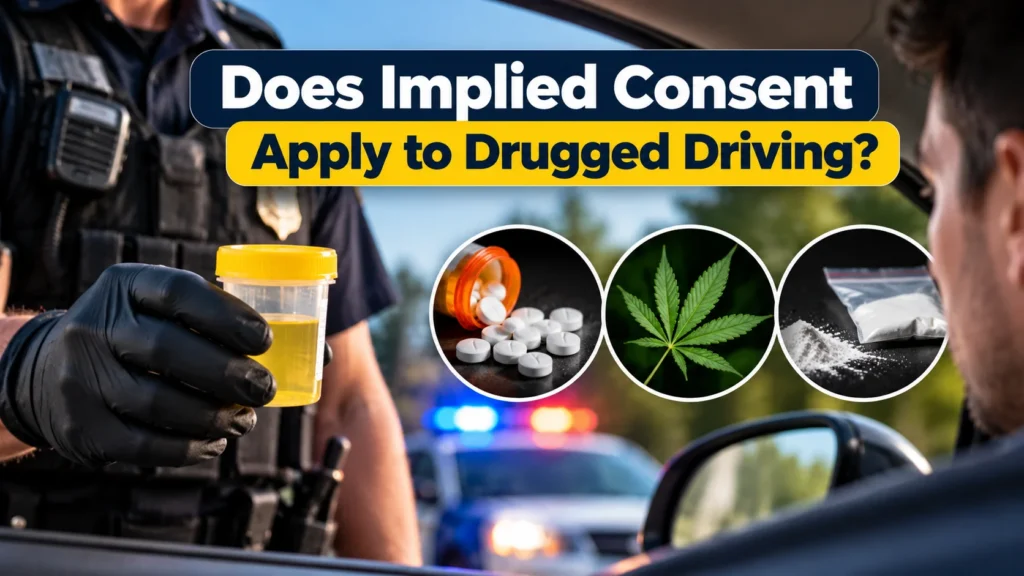
The implied consent law may also apply when officers suspect drug-impaired driving. Alcohol is not the only substance that can affect a person’s ability to drive safely. Prescription medicines, illegal drugs, and other substances can impair judgment and reaction time. States use different testing procedures to investigate these cases.
Understanding the law helps people recognize their rights and responsibilities. Legal protections also matter in consumer disputes and product-related cases. The Meaningful Beauty Lawsuit offers readers another example of legal issues involving consumer rights and business practices.
Why Are Implied Consent Laws Important?
These laws aim to discourage impaired driving and support traffic safety. Chemical testing gives investigators evidence that may help determine whether a driver violated DUI laws. Reliable testing can also help courts evaluate disputed cases. The rules seek to balance public safety with individual legal rights.
Test refusal penalties can support alcohol-impaired driving enforcement. When drivers refuse testing, investigators may lose important evidence about alcohol concentration. However, police must still follow legal procedures and constitutional protections. Proper enforcement helps maintain fairness during DUI investigations.
Common Questions About Implied Consent Laws
Can You Refuse a Breathalyzer Test?
A driver can physically refuse a breath test, but refusal may carry legal penalties. The consequences depend on whether officers request a roadside screening or an official test. State laws often treat these tests differently. Drivers should understand the applicable rules before assuming refusal has no consequences.
Does Refusing a DUI Test Mean You Are Guilty?
Refusing a chemical test does not automatically prove that someone drove under the influence. Prosecutors must still establish the elements of a DUI offense. However, refusal may create separate license penalties or serve as evidence when permitted. A driver can face administrative consequences even without a criminal conviction.
Does the Law Apply in Every State?
All U.S. states have some form of implied consent legislation for impaired driving investigations. However, their testing requirements and refusal penalties differ. Some states also have special rules for commercial drivers and younger motorists. Drivers should check the laws of the state where the incident occurred.
Can You Challenge a License Suspension?
Many states allow drivers to request an administrative hearing after a test refusal. A hearing may examine whether officers followed the required procedures. Deadlines can be short, so drivers should review official notices promptly. Legal advice may help them understand the available options.
Conclusion
The implied consent law plays an important role in DUI enforcement and road safety. It connects driving privileges with certain legal duties involving alcohol and drug testing. Drivers who refuse required tests may face license suspension or other penalties. However, state laws and constitutional protections determine what police can legally require.